
"Great Lakes"
500 article(s) found

Taste of Kenyan coffee with green tea after taste introduction of boutique coffee in manor producing area
The coastal areas are plains, and most of the rest are plateaus with an average elevation of 1500 meters. The eastern branch of the East African Rift Valley cuts longitudinally from the north to the south of the plateau, dividing the highland into east and west. The bottom of the Great Rift Valley is 450 miles below the plateau and 100 kilometers wide, with lakes of varying depths and many volcanoes standing. The north is desert and semi-desert, accounting for about 56% of the country's total area. Medium

Flavor description of Ugandan coffee bean taste graded production area introduction of taste variety manor
Ugandan coffee beans taste graded regional flavor description taste variety manor introduces the tenacious resistance of people all over Uganda to British aggression. In 1893, Britain sent troops to occupy the Kingdom of Bunioro, and King Kabarega led some of the people to wage guerrilla warfare for six years. In 1897, King Mwaanga of Buganda raised his army against Britain and later joined Kabarega in the Rango area.

A brief introduction to the flavor, taste and aroma characteristics of plain and mild Ugandan boutique coffee beans
This coffee is produced in the Mount Elgonne region of Uganda. Balanced acidity and rich oil between 1600 and 1900 meters above sea level are the characteristics of this coffee. It tastes mild and simple, with a papaya flavor. Dry aroma (1-5): 3.2 wet aroma (1-5): 3.4 acidity (brightness) (1-10): 8 taste (hierarchy) (1-10): 8.5 taste (alcohol thickness)
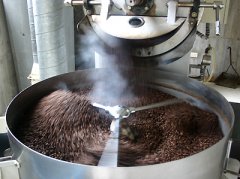
A brief introduction to the History and Culture of the Origin and Development of Ugandan Fine Coffee beans
Uganda Organic Bugisu producing country: Uganda Grade: HB growing area: Elgon, Mbalai Brand: organic Bugisu treatment method: wet treatment appearance: 1.8dBash 300grgrgrere 16-18SCR Variety: unknown later when steamships replaced sailboats, people drank relatively fresh coffee beans due to shorter shipping time. But people who are used to drinking Chen Dou are not used to it.

A brief introduction to the Market Price of High-quality and pollution-free Ugandan Fine Coffee Bean varieties
Uganda is the country of origin of coffee grown in Robusta, but commercial cultivation of Arabica species here did not begin until early 1900. Today, there are still a large number of wild robusta coffee trees in Uganda, which is rare in cities in the world. As a landlocked country, the large coffee cultivation in Uganda is often interplanted, where coffee trees are mixed with food crops and rubber trees.

Kenyan Coffee with Green Tea Flavor and Taste introduction to Fine Coffee in Manor area
The coastal areas are plains, and most of the rest are plateaus with an average elevation of 1500 meters. The East African Rift Valley, Mount Kenya, the highest peak in Kenya, the eastern branch of Mount Kenya cuts across the north and south of the plateau, dividing the highland into east and west. The bottom of the Great Rift Valley is 450 miles below the plateau and 100 kilometers wide, with lakes of varying depths and many volcanoes standing. The northern part is

Kenya Jinchu Valley Coffee Flavor Taste Variety Production Characteristics Fine Coffee Bean Introduction
The coastal area is flat, and most of the rest is plateau with an average altitude of 1500 meters. Kenya's highest peak, Mount Kenya, cuts the plateau vertically from north to south, dividing the plateau into east and west parts. The valley floor of the Great Rift Valley is 450-1000 meters below the plateau and 50-100 kilometers wide. There are lakes of varying depths and many volcanoes. North

Introduction to the characteristics of Ugandan Coffee Flavor Manor with thick and low acidity
The people of all parts of Uganda resisted the British aggression tenaciously. In 1893, Britain sent troops to occupy the Kingdom of Bunioro, and King Kabarega led some of the people to wage guerrilla warfare for six years. In 1897, King Mwaanga of Buganda raised his army against Britain and later joined Kabarega in the Rango region. In April 1899, the two kings were captured and the uprising failed. To make it easier to rule
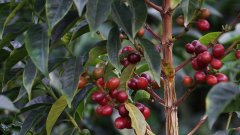
Limu Ethiopian grass and black sugar aroma fruit acid bright boutique coffee
The coffee-producing region of Ethiopia is divided into east and west parts by the East African Rift Valley, with lakes, volcanoes, lowlands, plateaus and woodlands interlaced, each evolving. Ethiopia has the most diverse coffee ecosystem in the world (forest coffee, semi-forest coffee, pastoral coffee and plantation coffee), which also preserves its rich Arabica genes. The eastern half is mostly plateaus, coffee beans.

A brief introduction to the flavor, taste and aroma characteristics of Ugandan boutique coffee beans with unique flavor
Uganda is the country of origin of coffee grown in Robusta, but commercial cultivation of Arabica species here did not begin until early 1900. Today, there are still a large number of wild robusta coffee trees in Uganda, which is rare in cities in the world. As a landlocked country, the large coffee cultivation in Uganda is often interplanted, where coffee trees are mixed with food crops and rubber trees.

Introduction of boutique coffee with bright fruit flavor in Kenyan coffee manor
The coast of China Coffee Network is plain, and most of the rest are plateaus with an average elevation of 1500 meters. The East African Rift Valley, Mount Kenya, the highest peak in Kenya, the eastern branch of Mount Kenya cuts across the north and south of the plateau, dividing the highland into east and west. The bottom of the Great Rift Valley is 450 mi 1000 meters below the plateau, 50 mi 100 km wide, with lakes of different depths and many standing.

A brief introduction to the treatment of grinding degree and baking degree of fresh-flavored Ugandan boutique coffee beans
Strength / main attribute: medium strength / high oil content, simple and mild recommended roasting degree: full city or full city+ comparison: a unique African coffee, very similar to Indonesian coffee, Ugandan coffee is mainly exported to the European Union, of which Germany, Italy and other countries are the largest buyers of coffee. Country of production: Uganda Grade: HB planting area: Elgon region

A brief introduction to the cultivation of fine coffee beans in Uganda with a delicate taste, geographical location, climate and altitude
Ugandan coffee is mainly exported to the European Union, of which Germany, Italy and other countries are the largest buyers of coffee. Country of production: Uganda Grade: HB planting area: Elgon region, Mbalai label: organic Bugisu treatment method: wet treatment appearance: 1.8d scarp 300grgrera 16-18SCR Variety: unknown Uganda is the country of origin of Robusta coffee, but here.

A brief introduction to the Origin, Development, History and Culture of Ugandan Fine Coffee beans with unique charm
Later, when the ship replaced the sailboat, due to the shortened delivery time, people drank relatively fresh coffee beans. But people who are used to drinking Chen beans are not used to the fresh taste, so they desperately pursue old Java coffee, so that the Indonesian government and some businessmen deliberately store fresh beans in warehouses for one or two years and then sell them to consumers. In fact, compared with fresh beans, aged beans

A brief introduction to the cultivation of fresh-flavored Ugandan boutique coffee beans, geographical location, climate and altitude
Ugandan coffee is mainly exported to the European Union, of which Germany, Italy and other countries are the largest buyers of coffee. Uganda is the country of origin of coffee grown in Robusta, but commercial cultivation of Arabica species here did not begin until early 1900. Today, there are still a large number of wild robusta coffee trees in Uganda, which is rare in cities in the world. As a landlocked country, Uganda

Bright flavor of Kenya Kam early valley coffee flavor taste estate production characteristics
The coastal area is flat, and most of the rest is plateau with an average altitude of 1500 meters. The east branch of the Great Rift Valley cuts the plateau vertically from north to south, dividing the plateau into east and west parts. The valley floor of the Great Rift Valley is 450-1000 meters below the plateau and 50-100 kilometers wide. There are lakes of varying depths and many volcanoes. The northern part is desert and semi-desert zone, accounting for about 56% of the total area of the country. in
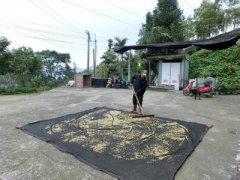
A brief introduction to the treatment method of grinding degree and baking degree of plain and mild Ugandan boutique coffee beans
Uganda is the birthplace of Robusta in Africa, just as Ethiopia is the birthplace of Arabica coffee, which was first found in Uganda. So far, Uganda has a history of growing coffee for more than 100 years. The output ranks second in Africa, after Ethiopia. At the same time, Uganda is one of the few major countries in Africa dedicated to the production of organic coffee. Wu

A brief introduction to the history and culture of the origin and development of plain and mild Ugandan boutique coffee beans
Uganda is the country of origin of coffee grown in Robusta, but commercial cultivation of Arabica species here did not begin until early 1900. Today, there are still a large number of wild robusta coffee trees in Uganda, which is rare in cities in the world. As a landlocked country, the large coffee cultivation in Uganda is often interplanted, where coffee trees are mixed with food crops and rubber trees.
A brief introduction to the cultivation of high-quality and pollution-free boutique coffee beans in Uganda, geographical location, climate and altitude
The cultivation of coffee in Uganda is all small-scale family operation. The livelihood of 25% of the population is closely related to coffee production. About 500000 farms grow coffee, but mainly Robster. Robusta accounts for 90% of coffee production, and the remaining 1 is Arabica coffee. Arabica and Robusta are harvested from October to February. Ugandan coffee
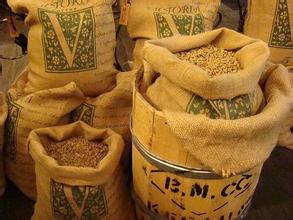
Djimmah, an Ethiopian coffee producing area, follows the ancient method to take the sun treatment class.
The coffee-producing region of Ethiopia is divided into east and west parts by the East African Rift Valley, with lakes, volcanoes, lowlands, plateaus and woodlands interlaced, each evolving. Ethiopia has the most diverse coffee ecosystem in the world (forest coffee, semi-forest coffee, pastoral coffee and plantation coffee), which also preserves its rich Arabica genes. The eastern half is mostly plateaus, coffee beans.